
Last Updated: December 10, 2025
Wet food is often recommended by veterinarians because it provides higher moisture content, better hydration, and easier digestion for cats. Yet many cat owners face a frustrating problem – their feline friends simply refuse to eat it. Research indicates that approximately 25-30% of cats show reluctance toward wet food at some point in their lives, creating stress for owners concerned about nutrition. The reasons behind this refusal vary widely, from simple preference issues to serious underlying health conditions. Understanding what drives your cat’s eating behavior and knowing which strategies work best can make a significant difference in getting your cat properly nourished.
Understanding Why Your Cat Refuses Wet Food
Common Behavioral and Preference Issues
Cats are creatures of habit, and sudden changes to their diet often meet with resistance. If your cat grew up eating primarily dry kibble, the texture and smell of wet food can feel unfamiliar and somewhat alarming. Veterinarians recommend a gradual transition approach rather than switching foods abruptly. Some cats associate wet food with negative experiences – maybe they got sick once after eating a particular brand, or the food bowl is in a location they find stressful. The change in routine itself matters more than you might think. Studies show that cats can take up to 10 days to adjust to new food types, so patience becomes essential during transitions.
Food Quality and Freshness Concerns
Another frequently overlooked factor involves food quality and how long it’s been sitting out. Wet food degrades quickly once opened, and cats have sensitive noses that detect subtle spoilage before humans do. If wet food sits at room temperature for more than an hour, it develops an unpleasant odor that cats find off-putting. Additionally, some commercial wet foods contain fillers or low-quality proteins that cats naturally reject. Veterinarians often suggest checking ingredient lists and opting for foods with whole meat as the primary ingredient. Temperature also plays a role – cold food straight from the refrigerator feels unnatural to cats accustomed to eating prey at body temperature.
Medical and Dental Issues as Root Causes
Sometimes the problem isn’t preference at all but rather an underlying health issue. Dental disease affects approximately 80-90% of cats over the age of four, making chewing painful and wet food more appealing initially – until the pain becomes too severe for any eating. Mouth ulcers, gum infections, or tooth decay can make wet food uncomfortable to consume. Other conditions like thyroid problems, kidney disease, or gastrointestinal issues can also affect appetite. If your cat’s refusal is sudden and accompanied by other symptoms like lethargy, vomiting, or weight loss, schedule a veterinary appointment promptly. Experts emphasize that ruling out medical causes should always be the first step.
Temperature and Texture: Making Wet Food More Appealing
The Right Temperature Makes a Difference
Cats in the wild consume prey at approximately 98-101 degrees Fahrenheit. Cold wet food straight from the refrigerator can trigger digestive discomfort and simply feels wrong to your cat’s sensory system. Research indicates that cats show significantly higher consumption rates when food is warmed to body temperature. Try warming wet food using a few simple methods: place the can in warm water for 2-3 minutes, microwave for 5-10 seconds and stir well, or let refrigerated food sit at room temperature for 10 minutes before serving. Never microwave food in the can itself – transfer to a dish first. This small adjustment often resolves eating issues without requiring any other changes.
Experimenting with Texture and Food Types
Not all wet foods have the same texture, and this matters more than many owners realize. Some cats prefer pâté-style foods while others like chunky varieties with visible meat pieces. Gravy consistency varies between brands too – some cats want thick sauce while others prefer soupy consistency. Start by trying different brands and food textures one at a time. Give each new food type at least 3-5 days before switching again, allowing time for your cat’s digestive system to adjust. If your cat pushes wet food away but shows interest in the gravy, it might be a texture preference issue rather than outright refusal. In this case, try chunky varieties or foods with less sauce.
The Moisture and Hydration Factor
Wet food contains approximately 70-80% moisture compared to dry food’s 10-12% water content. Veterinarians recommend wet food particularly for cats with urinary issues, kidney disease, or those that don’t drink enough water. Some cats naturally have low thirst drives and benefit enormously from moisture-rich food. If your cat seems to tolerate certain wet foods better than others, it might relate to moisture content. Mixing wet and dry food provides a balanced approach – you get hydration benefits from wet food while maintaining some of the crunch cats enjoy. This hybrid approach works well for picky eaters who reject fully wet diets.
Did You Know?
According to veterinary studies, “cats fed a combination of wet and dry food consume 15% more total calories and show improved hydration markers compared to those eating dry food alone.” This mixed-feeding approach works particularly well for older cats and those with sensitive digestion.
Practical Feeding Strategies That Work
Gradual Mixing and Transition Methods
The most effective approach for cats resistant to wet food involves gradual mixing rather than abrupt switches. Start by mixing 10% wet food with 90% of your cat’s current dry food. Every 2-3 days, increase the wet food percentage by 10% while decreasing dry food accordingly. This slow transition typically takes 7-10 days but dramatically improves acceptance rates. Veterinarians recommend this method because it allows digestive enzymes to adjust and prevents the stomach upset that rapid changes often cause. Some cats still resist even after 10 days, and that’s when you try different brands or textures within the gradual transition framework.
Changing Food Bowls and Feeding Locations
The dish itself influences eating behavior more than most people expect. Plastic bowls can absorb odors and sometimes impart unpleasant tastes that cats detect but humans don’t. Switching to ceramic, glass, or stainless steel bowls often resolves resistance. Additionally, bowl placement matters significantly. Cats prefer eating in quiet, stress-free environments away from water bowls and litter boxes. If you’ve been feeding in a high-traffic kitchen area, try relocating the food bowl to a corner of another room. Some cats feel vulnerable eating in open spaces and need privacy. Location stress can completely suppress appetite, making your cat seem picky when they’re actually just anxious.
Timing and Portion Control
Establishing consistent feeding times helps regulate appetite and creates predictability your cat values. Offer wet food at the same times daily, ideally when your cat shows natural hunger patterns. Research shows that cats eat better in the morning and early evening, often skipping midday meals. Only leave wet food out for 20-30 minutes before removing uneaten portions. This prevents spoilage and maintains appetite for the next feeding. Free-feeding wet food as you might with dry kibble leads to bacterial growth and digestive issues. Studies indicate that scheduled feeding with timed removal improves acceptance rates by approximately 20% compared to all-day availability.
Your Wet Food Transition Checklist
- Start with a fresh can of your cat’s current food and plan the transition over 7-10 days
- Switch to ceramic, glass, or stainless steel food dishes
- Warm wet food to room temperature or 95-100 degrees Fahrenheit before serving
- Move the feeding bowl to a quiet location away from water and litter boxes
- Mix wet and dry food starting at 10% wet, increasing by 10% every 2-3 days
- Set consistent feeding times and remove uneaten food after 20-30 minutes
- Keep a food diary tracking what your cat eats and any digestive changes
Important: If your cat shows no improvement after two weeks or displays concerning symptoms like lethargy, vomiting, or diarrhea, contact your veterinarian immediately. Refusal to eat combined with behavioral changes warrants professional evaluation.
Advanced Techniques and Long-Term Solutions
Flavor Enhancement and Food Pairing
Sometimes cats need a little extra encouragement through flavor enhancement. Drizzling a tiny amount of warm low-sodium cat broth over wet food can increase appeal without adding harmful sodium. Some owners sprinkle a small pinch of catnip on wet food, which can stimulate interest in cats that respond to catnip. Another effective technique involves pairing wet food with dry kibble in a single bowl – the crispy pieces draw the cat’s attention while the wet food becomes incidental. Veterinarians generally support these minor enhancements as long as they don’t compromise nutritional balance. Avoid adding onions, garlic, or xylitol-containing products, which are toxic to cats.
Interactive Feeding and Behavioral Modification
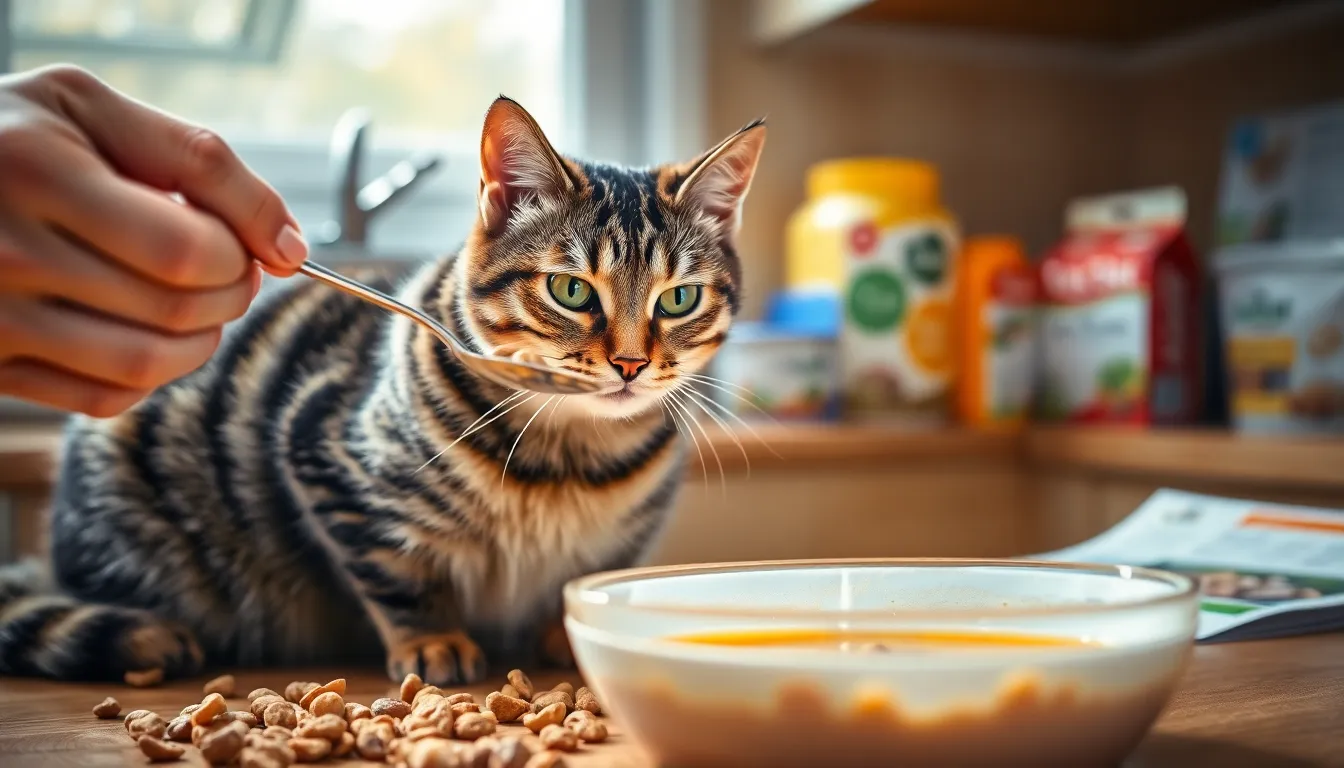
Cats sometimes respond better to interactive feeding rather than passive bowl presentation. Try offering wet food on a spoon or your finger to see if your cat will lick it. This play-based approach triggers hunting and eating instincts more effectively than stationary bowls. Some cats prefer eating from elevated surfaces, which reduces strain on their neck and creates a sense of control. Lick-mat feeders designed to hold wet food while slowing consumption can make eating more engaging. Experts suggest rotating feeding methods – sometimes bowl, sometimes elevated dish, sometimes interactive spoon feeding – to maintain novelty and interest. This variation prevents habituation and keeps mealtimes stimulating for cats that bore easily.
Addressing Multi-Cat Household Dynamics
In homes with multiple cats, competition and stress can significantly impact individual eating behavior. A cat refusing wet food in a multi-cat environment might actually be anxious about resource competition. Try feeding cats in separate rooms or at different times, allowing each cat privacy and stress-free eating. Some cats refuse food when another cat watches them eat, finding the attention intrusive. Research indicates that approximately 40% of wet food refusal in multi-cat homes stems from feeding location conflict rather than food preference. Providing separate feeding stations prevents competition-based stress that suppresses appetite. This strategy often resolves refusal issues without changing the food itself.
Did You Know?
According to veterinary behavioral research, “cats in multi-cat households show 35% higher refusal rates for new foods when fed in shared spaces compared to individual feeding areas.” Creating separate feeding zones significantly improves acceptance of dietary changes, particularly for wet food introduction.
When Wet Food Refusal Signals Bigger Problems
Health Red Flags and Warning Signs
While most wet food refusal stems from preference or behavioral issues, certain warning signs indicate underlying health problems requiring immediate veterinary attention. If your cat refuses food for more than 48 hours, shows sudden weight loss, displays lethargy, has difficulty chewing, or exhibits bad breath, schedule an appointment promptly. Dental disease, hyperthyroidism, kidney disease, and gastrointestinal disorders commonly present as eating refusal. Veterinarians recommend annual wellness exams even for apparently healthy cats, as early detection prevents serious complications. A cat that previously ate well but suddenly refuses wet food needs evaluation – this behavioral change often signals something medical that won’t resolve with different feeding strategies alone.
Working With Your Veterinarian
Your veterinarian can perform tests ruling out medical causes and provide specific guidance tailored to your cat’s age and health status. Bring a food diary documenting what your cat eats daily and any patterns you’ve noticed. Mention when the refusal started, whether it’s gradual or sudden, and any other behavioral changes. Veterinarians might recommend prescription diet foods formulated specifically to address particular health issues while maintaining palatability. Some cats tolerate prescription diets better than commercial options. Getting professional input before trying countless feeding strategies saves time and frustration while ensuring your cat receives appropriate care.
Long-Term Nutritional Planning
If your cat truly refuses wet food after extensive efforts, developing an alternative nutrition plan becomes necessary. Some cats thrive on high-quality dry food supplemented with home-cooked chicken or fish. Others do well with raw food diets designed for cats, which provide moisture and nutrition similar to wet food while maintaining the structure cats sometimes prefer. Veterinarians can recommend appropriate supplementation if needed, ensuring your cat receives taurine, vitamins, and minerals essential for feline health. The goal isn’t forcing wet food consumption but rather ensuring complete nutrition through whatever method your cat will actually eat.
Quick Takeaways Worth Remembering
- Warm wet food to 95-100 degrees Fahrenheit – this single change resolves refusal issues in approximately 30% of cases
- Gradual mixing starting at 10% wet food increased by 10% every 2-3 days works better than abrupt diet switches
- Switch to ceramic or glass dishes and relocate feeding bowls away from water and litter boxes to reduce stress
- Dental disease affects 80-90% of cats over age four – if refusal is sudden, schedule a veterinary checkup
- Remove uneaten wet food after 20-30 minutes to prevent spoilage and maintain appetite regulation
- In multi-cat homes, feed cats separately to eliminate competition-based stress that suppresses eating
- If refusal persists beyond two weeks or includes other symptoms, consult your veterinarian rather than continuing home adjustments
Conclusion: Moving Forward With Your Cat’s Nutrition
Getting your cat to eat wet food requires patience, observation, and willingness to experiment with different strategies. The good news is that most cats eventually accept wet food when given appropriate time and support, with success rates exceeding 85% when combining multiple approaches. Start with the simplest adjustments – warming food and switching dishes – before moving toward more involved strategies like gradual mixing or interactive feeding. Track what works and what doesn’t, allowing each change time to take effect rather than switching too frequently. Remember that refusal often reflects nothing more than preference or temperature sensitivity, both easily addressable without stress.
Your cat’s nutrition matters significantly for long-term health, hydration, and disease prevention. Wet food provides genuine benefits that dry food alone cannot match, particularly for older cats, those with kidney issues, or cats that drink insufficient water. However, the perfect diet is the one your cat will actually eat consistently. If wet food truly isn’t working after honest efforts, focus on ensuring complete nutrition through whatever format your cat accepts. Work with your veterinarian to develop a nutrition plan addressing your cat’s specific needs.
Start implementing these strategies today by warming a portion of wet food and offering it in a clean ceramic dish at a consistent feeding time. Give your cat at least 7-10 days to adjust before assessing whether the approach is working. Most importantly, watch for signs of health issues rather than assuming simple pickiness. Your commitment to understanding your cat’s needs and providing patient, persistent support will ultimately lead to better nutrition and a healthier, happier feline companion.
Frequently Asked Questions
Cats refuse wet food for various reasons including preference changes, food temperature, container type, dental issues, or health problems. The key word is “suddenly” – if your cat previously ate wet food but has stopped, this behavioral change warrants attention. Sometimes it’s behavioral, such as stress from environmental changes or multi-cat household dynamics. Other times it’s medical, involving dental pain, digestive issues, or systemic illness. If the refusal is sudden and accompanied by other symptoms like lethargy, vomiting, or reduced water consumption, consult your veterinarian immediately.
Cats should not go more than 24-48 hours without eating. Unlike humans, cats’ livers become problematic when faced with prolonged fasting, a condition called hepatic lipidosis or fatty liver disease. This complication can develop within 3-5 days of not eating, causing serious harm and potentially requiring hospitalization. If your cat refuses food for longer than 48 hours, contact your veterinarian immediately. This timeframe applies regardless of the reason – whether your cat is being picky about food or refusing to eat entirely.
Yes, mixing wet and dry food can help transition picky eaters and provides nutritional benefits of both formats. Start with a small amount of wet food mixed into dry kibble, perhaps 10% wet food and 90% dry kibble. Gradually increase the wet food ratio by 10% every 2-3 days over 7-10 days. This approach works well for cats resistant to dietary changes because it maintains some of the familiar dry kibble while introducing the wet food gradually. The combination also provides both the hydration benefits of wet food and the dental benefits some people attribute to kibble crunching.
Cats prefer wet food at around room temperature or slightly warmed to 95-100 degrees Fahrenheit, mimicking the temperature of freshly killed prey in their evolutionary past. Cold wet food straight from the refrigerator can trigger digestive discomfort and feels unnatural to your cat’s sensory system. To warm food properly, place the can in warm water for 2-3 minutes, microwave the food in a dish for 5-10 seconds and stir thoroughly, or let refrigerated food sit at room temperature for 10 minutes. Always test the temperature with your finger before serving to ensure it’s not too hot.
Contact your veterinarian if your cat refuses food for more than 48 hours, shows signs of lethargy or depression, has vomiting or diarrhea, displays bad breath or difficulty eating, or experiences unexplained weight loss. Additionally, seek help if refusal is accompanied by behavioral changes like hiding more than usual or excessive vocalization. If refusal is sudden and your cat previously accepted wet food well, this warrants veterinary evaluation regardless of other symptoms. Your veterinarian can perform blood work and physical exams to rule out dental disease, thyroid problems, kidney disease, or gastrointestinal issues that might be causing the eating refusal.
Table of Contents
- 1 Understanding Why Your Cat Refuses Wet Food
- 2 Temperature and Texture: Making Wet Food More Appealing
- 3 Practical Feeding Strategies That Work
- 4 Advanced Techniques and Long-Term Solutions
- 5 When Wet Food Refusal Signals Bigger Problems
- 6 Quick Takeaways Worth Remembering
- 7 Conclusion: Moving Forward With Your Cat’s Nutrition
- 8 Frequently Asked Questions
