
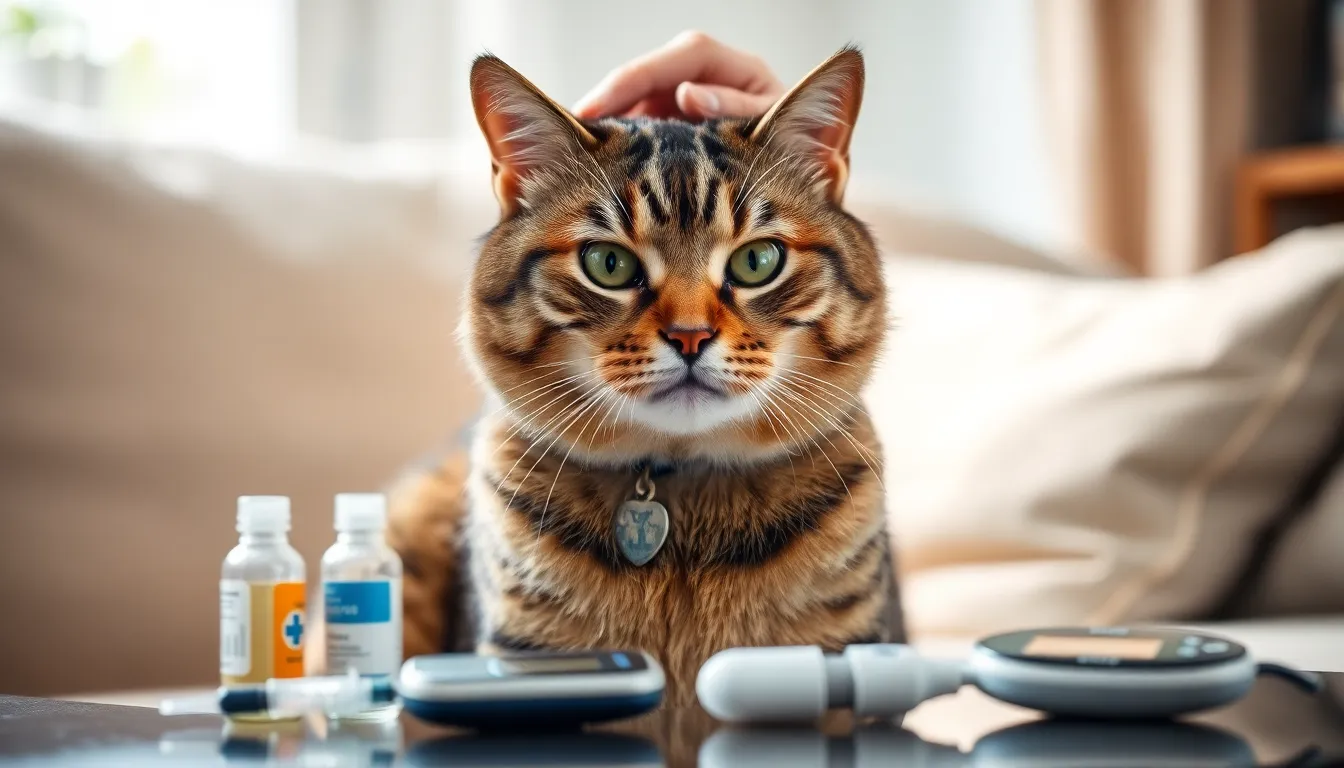
Caring for a cat with diabetes can feel like navigating a complex maze – one moment you’re confident, the next you’re totally lost. Diabetes in cats isn’t just a medical condition; it’s a daily dance of monitoring, care, and unexpected challenges. Unlike human diabetes, feline diabetes requires a unique approach that blends medical intervention with careful lifestyle management.
Imagine waking up to find your usually energetic furball moving slower, drinking water like it’s going out of style, and visiting the litter box more frequently. These could be the first whispers of feline diabetes – a condition that affects roughly 1 in 200 cats. It’s not a death sentence, but it does demand your attention and commitment.
Understanding Feline Diabetes: The Basics
Diabetes in cats is essentially a breakdown in how their body processes glucose. Think of it like a transportation system where insulin is the bus driver, and glucose is the passenger. When something goes wrong with this system, blood sugar levels go haywire. Most commonly, cats develop Type 2 diabetes – similar to what humans experience – where their body becomes resistant to insulin or doesn’t produce enough.
Several risk factors increase a cat’s likelihood of developing diabetes. Obesity is the biggest culprit. Cats carrying extra weight are dramatically more likely to develop insulin resistance. Other contributors include:
- Age (older cats are more susceptible)
- Lack of physical activity
- Certain breeds with genetic predispositions
- Chronic steroid use
- Chronic pancreatitis
Recognizing Early Warning Signs
Early detection can make a massive difference in managing feline diabetes. Cats are masters of hiding illness, so you’ll need to be observant. The most common early signs include:
- Increased thirst – Your cat suddenly seems like a water enthusiast
- Frequent urination – More litter box visits than usual
- Weight loss – Despite maintaining or even increasing food intake
- Decreased energy – Your normally playful cat seems unusually lethargic
- Changes in coat quality – Dull or unkempt fur can indicate metabolic issues
Did You Know?
Cats are three times more likely to develop diabetes than dogs, and male cats are more frequently affected than females.
Diagnostic Process: What to Expect
When you suspect diabetes, your veterinarian will conduct a series of tests. This typically involves:
- Blood glucose level check
- Urinalysis
- Comprehensive physical examination
- Potential additional blood panels to rule out other conditions
Pro tip: Don’t panic during these tests. Cats can sense your anxiety, which might make them more stressed during veterinary visits.
Treatment and Management Strategies
Managing feline diabetes isn’t about a quick fix – it’s a lifestyle adjustment. Most cats will require insulin injections, typically administered twice daily. This sounds scary, but most cat owners become pros within weeks. Your vet will teach you precise injection techniques and help you create a consistent routine.
Diet plays a crucial role. Low-carbohydrate, high-protein diets are often recommended. Some cats might even see diabetes go into remission with proper diet and weight management.
Living with a Diabetic Cat: Practical Tips
Successful diabetes management requires commitment. Create a consistent schedule for:
- Insulin administration
- Feeding times
- Regular veterinary check-ups
- Weight monitoring
- Blood glucose tracking
Quick Takeaways
- Diabetes isn’t a death sentence for cats
- Early detection matters immensely
- Consistent management is key
- Diet plays a massive role in management
- Regular vet check-ups are non-negotiable
Conclusion
Navigating feline diabetes is challenging but totally doable. With the right approach, most diabetic cats live long, happy lives. Your dedication, observant care, and partnership with your veterinarian make all the difference.
Frequently Asked Questions
While not exactly “cured,” many cats can achieve remission with proper diet, weight management, and consistent insulin treatment.
Initially, every few weeks. Once stabilized, typically every 3-6 months for check-ups and blood work.
With proper management, many diabetic cats live normal lifespans – 5-7 years post-diagnosis is common.
For some cats, a strict low-carb diet can help manage or even reverse early-stage diabetes, but most require insulin too.
While any cat can develop diabetes, Burmese cats and male cats are statistically more likely to be diagnosed.
