
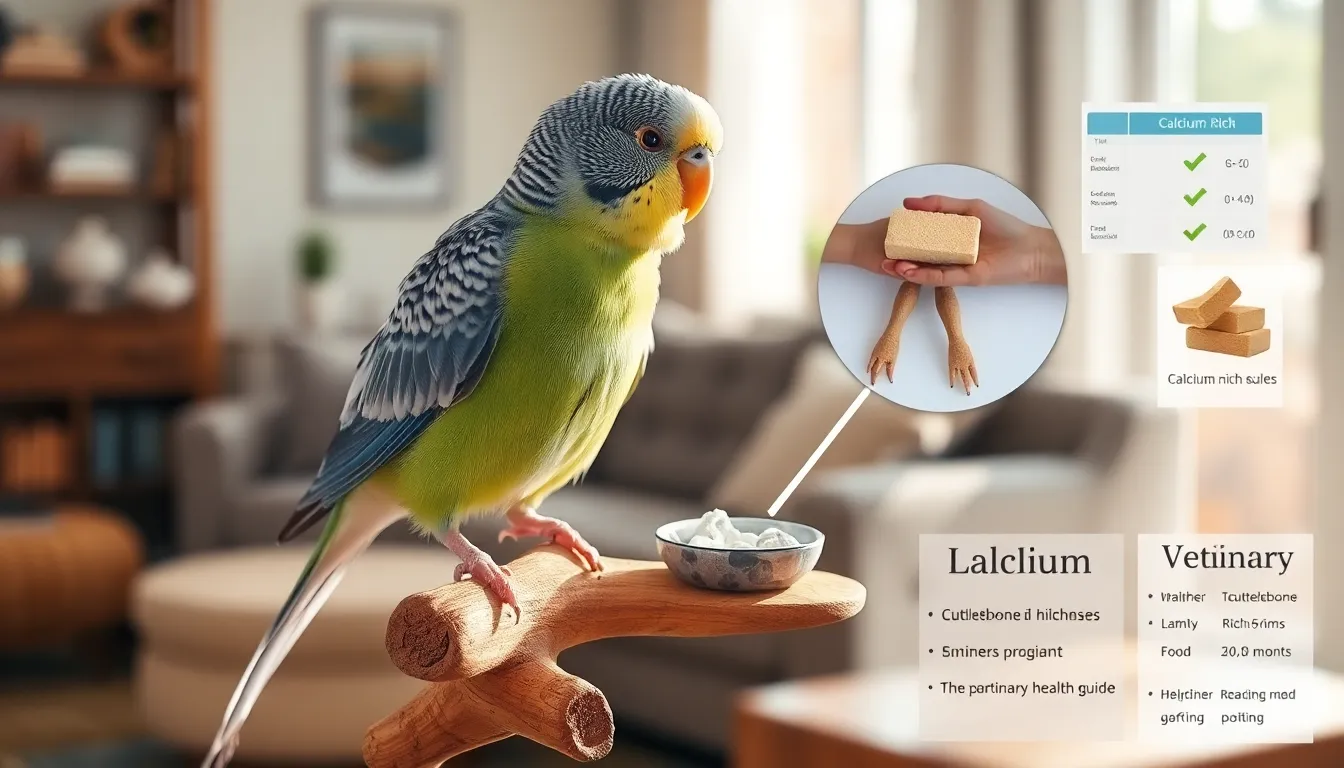
Bird calcium deficiency is one of the most serious yet preventable nutritional disorders affecting captive birds. Hypocalcemia, the medical term for low blood calcium, impacts parrots, canaries, finches, and laying hens with alarming frequency. According to PetMD’s clinical research on acute hypocalcemia, calcium-deficient birds often experience tremors, seizures, and muscle weakness that can progress to life-threatening conditions within days. Bird owners frequently overlook early warning signs, mistaking lethargy for normal behavior. Understanding bird calcium deficiency symptoms, causes, and solutions can mean the difference between a healthy companion and a medical emergency. This guide covers everything you need to know about protecting your feathered friends from this preventable condition.
TL;DR – Key Takeaways
- Bird calcium deficiency causes tremors, seizures, weakness, and egg-binding in females
- Poor diets, insufficient UV-B light, and high-phosphorus seeds trigger hypocalcemia
- Calcium-fortified pellets, leafy greens, and cuttlebone provide essential minerals
- Immediate veterinary treatment prevents fatal complications from calcium deficiency
Signs and Symptoms of Bird Calcium Deficiency
Recognizing early signs of bird calcium deficiency is crucial for preventing serious complications. Initial symptoms often appear subtle, making them easy to miss. Affected birds may display muscle tremors, weakness, or reluctance to perch. As hypocalcemia progresses, more severe signs emerge including seizures, muscle spasms, and behavioral changes like aggression or excessive vocalization. Laying hens with bird calcium deficiency may produce soft-shelled or shell-less eggs, indicating severe mineral depletion. Loss of appetite and depression frequently accompany calcium deficiency, as birds feel increasingly ill. According to Lafeber veterinary nutrition guidelines, vitamin D deficiency compounds these symptoms by impairing calcium absorption. Species matter significantly – African grey parrots and cockatoos show heightened susceptibility due to their size and metabolic demands.
Recognizing Acute Hypocalcemia Symptoms
Acute hypocalcemia presents emergency warning signs requiring immediate veterinary intervention. Birds experiencing acute calcium deficiency may collapse, have difficulty flying, or exhibit paralysis in severe cases. Tremors and seizures indicate dangerously low blood calcium levels. Cardiac arrhythmias can develop, making the heart beat irregularly or stop entirely.
Common Causes: Diet, Sunlight, and Species Risks
Bird calcium deficiency stems from multiple interconnected factors, primarily dietary inadequacy and environmental deficiencies. High-seed diets contain excessive phosphorus, which blocks calcium absorption in the digestive system. Many birds prefer seeds to nutritionally complete pellets, creating mineral imbalances over time. Insufficient UV-B exposure prevents vitamin D synthesis, a critical component for calcium metabolism. Indoor birds without full-spectrum lighting rarely obtain adequate vitamin D, perpetuating bird calcium deficiency cycles. According to the Merck Veterinary Manual, certain species face higher risks, particularly African greys, Amazons, and cockatoos. Laying hens experience dramatic calcium depletion during egg production, exhausting body reserves rapidly.
Dietary Imbalances and Calcium-Phosphorus Ratios
The calcium-to-phosphorus ratio determines how much calcium birds actually absorb. Ideal ratios range from 1.2:1 to 2:1, meaning more calcium than phosphorus in the diet. Sunflower seeds, safflower seeds, and peanuts contain high phosphorus levels that interfere with calcium utilization. Birds eating seed-heavy diets develop bird calcium deficiency despite adequate mineral content, because phosphorus blocks absorption.
Did You Know?
The Parrot Society UK reports that African grey parrots develop hypocalcemia at significantly higher rates than other parrot species, making preventive calcium supplementation essential for this breed.
Effective Dietary Solutions and Supplements
Correcting bird calcium deficiency requires multi-faceted dietary approaches combining whole foods with targeted supplementation. High-quality pellets formulated specifically for avian nutrition should comprise 60-70% of daily intake, as manufacturers ensure proper calcium-to-phosphorus ratios. Dark leafy greens including kale, collards, and bok choy provide bioavailable calcium along with other essential nutrients. Cuttlebone offers a natural calcium source birds can nibble throughout the day, though quality varies. Crushed oyster shells work well for laying hens prone to bird calcium deficiency. Commercial calcium supplements come in powder form, easily sprinkled on soft foods. Vitamin D3 supplementation (not D2) enhances calcium absorption significantly when combined with dietary changes.
Choosing Supplements for Your Birds
Calcium carbonate supplements represent affordable, effective options for addressing deficiency. Look for products without fillers, artificial colors, or additives. Liquid calcium supplements allow precise dosing for small birds. Always follow veterinary dosage recommendations to avoid overdosing, which creates different health problems.
Dietary Changes Checklist for Bird Calcium Deficiency
- Switch primary diet to quality calcium-fortified pellets (60-70% of total food)
- Add dark leafy greens daily – kale, collards, or spinach as rotation
- Provide cuttlebone or mineral block for continuous calcium access
- Reduce seed portions to 10-20% of daily intake maximum
- Include vitamin D3-containing foods or supplements for calcium absorption
Treatment Options for Hypocalcemia
Treatment for bird calcium deficiency depends on severity and clinical presentation. Mild cases respond well to dietary modifications combined with oral calcium supplementation. Moderate hypocalcemia requires injectable calcium administered by avian veterinarians under controlled conditions, as improper injection causes serious complications. Emergency care for acute bird calcium deficiency may involve hospitalization, calcium infusions, and cardiac monitoring. Vitamin D supplementation accelerates recovery by improving intestinal calcium absorption. According to Dr. Duncan Houston’s 2025 hypocalcemia guide, prognosis improves dramatically with early intervention. Long-term management prevents relapse through consistent dietary management and environmental enrichment including natural sunlight exposure.
Professional Veterinary Management of Bird Calcium Deficiency
Avian veterinarians conduct blood tests measuring ionized calcium levels, guiding treatment intensity. Injectable calcium works rapidly for severe cases but requires professional administration to prevent tissue damage. Follow-up testing ensures calcium levels normalize without overcorrection.
Did You Know?
BirdTricks reports that bird calcium deficiency represents one of the most preventable avian health crises, yet many bird owners remain unaware of dietary prevention methods.
Prevention Strategies for Long-Term Health
Preventing bird calcium deficiency costs far less than treating it and ensures lifelong health. Feed balanced, species-appropriate diets emphasizing calcium-rich whole foods and quality pellets. Provide 10-12 hours daily of unfiltered sunlight or full-spectrum lighting to enable vitamin D synthesis. Monitor birds regularly for behavioral changes suggesting nutritional deficiencies. Laying hens require extra calcium supplementation during productive years to prevent bird calcium deficiency complications. Periodic veterinary wellness exams including blood panels catch mineral imbalances early. Research the specific requirements of your bird species – African greys, Amazons, and cockatoos need more intensive calcium management than smaller finches.
Building a Long-Term Prevention Plan
Consistency matters most in preventing bird calcium deficiency long-term. Establish daily feeding routines with measured portions of pellets and fresh foods. Track your bird’s weight, energy levels, and egg production if applicable. Schedule veterinary checkups annually or biannually depending on age and health status.
Quick Takeaways
- Bird calcium deficiency prevention starts with proper pellet-based diets
- Daily UV-B light exposure is essential for calcium metabolism
- Reduce seed intake to minimize phosphorus interference with absorption
- Offer calcium-rich greens and cuttlebone as supplementary sources
- Annual veterinary checkups catch deficiencies before serious symptoms develop
Protecting your birds from bird calcium deficiency requires understanding nutrition, environmental needs, and species-specific risk factors. Early recognition of symptoms and swift veterinary intervention prevent life-threatening complications. Dietary adjustments combining quality pellets with calcium-rich whole foods address most deficiency cases effectively. According to Versele-Laga’s avian care guidelines, prevention through consistent nutrition and appropriate lighting proves far more effective than treating established hypocalcemia. Your commitment to proper bird husbandry ensures your feathered companions thrive throughout their lives, free from the pain and danger of calcium deficiency.
Frequently Asked Questions
Signs include tremors, muscle weakness, seizures, poor feather condition, soft-shelled eggs in laying birds, and behavioral changes like lethargy or aggression. Acute bird calcium deficiency causes paralysis, collapse, and cardiac problems requiring emergency care.
Treatment involves dietary calcium increases through pellets and greens, oral calcium supplements, vitamin D3 supplementation, and full-spectrum lighting. Severe cases require injectable calcium administered by avian veterinarians plus hospitalization with cardiac monitoring.
African greys face higher bird calcium deficiency risk due to their large size, seed preferences, and historically poor captive diets lacking adequate mineral content. Their natural diet includes calcium-rich foods absent in typical seed-based pet diets.
Excellent calcium sources include dark leafy greens, cuttlebone, crushed oyster shells, fortified pellets, broccoli, kale, and almonds. Commercial pellets designed for avian nutrition ensure proper mineral ratios and bioavailability compared to seeds.
Yes, insufficient sunlight directly causes bird calcium deficiency by preventing vitamin D synthesis. Without adequate UV-B exposure or full-spectrum lighting, birds cannot metabolize dietary calcium effectively, leading to hypocalcemia.
Pet birds need calcium-to-phosphorus ratios of 1.2:1 to 2:1 in their diet. Requirements vary by species and age, with laying hens requiring substantially more calcium than adult non-breeding birds to support egg production.
Low blood calcium disrupts nerve impulse transmission and muscle function, triggering seizures. Severe bird calcium deficiency causes acute neurological emergency characterized by uncontrolled muscle contractions and loss of consciousness.
Prevent bird calcium deficiency in layers through calcium-fortified pellets, crushed oyster shells, daily UV-B light exposure, and dark leafy greens. Monitor eggshell quality closely as soft shells indicate insufficient calcium intake.
Yes, untreated severe bird calcium deficiency proves fatal in parrots. Hypocalcemia progresses to seizures, cardiac arrhythmias, organ failure, and death if veterinary treatment is delayed or absent.
Top options include calcium carbonate powders, cuttlebone, mineral blocks, and commercial pellet formulations designed for avian species. Select products with proper calcium-to-phosphorus ratios and without artificial additives or fillers.
