Hand Feeding Baby Birds: Formula, Technique & Weaning Guide

Hand Feeding Baby Birds: Formula, Technique & Weaning Guide

Last Updated: December 30, 2025

Hand feeding baby birds is a rewarding but demanding responsibility that requires proper knowledge and technique. Whether you’ve discovered a nestling or are raising a young bird at home, understanding how to hand feed baby birds correctly ensures healthy development and survival. According to veterinary guidelines from VetZone Australia, improper feeding can lead to serious complications including crop impaction and aspiration pneumonia. This guide covers everything from formula selection to weaning, giving you confidence to nurture young birds through their critical growth stages.

TL;DR – Key Takeaways

  • Use commercial formulas designed for hand feeding baby birds, not homemade recipes
  • Feed at 104-107 degrees Fahrenheit, every 2-3 hours for young nestlings
  • Monitor crop fullness to prevent overfeeding and serious health issues
  • Begin weaning at 4-6 weeks with gradual transition to solid foods

What to Feed Baby Birds: Formula Selection Guide

Selecting the right formula is foundational to hand feeding baby birds successfully. Commercial formulas are specifically formulated with balanced proteins, fats, carbohydrates, and essential nutrients that baby birds need. Kaytee Exact Hand Feeding Formula remains one of the most trusted options, offering consistent nutrition across different bird species.

Choosing Formula by Species

Different bird families have varying nutritional needs. Parrots, finches, and songbirds each require specific formulations. Research from HARI on nutritional observations for exotic birds emphasizes that hand feeding baby birds with species-inappropriate formula can cause digestive distress and poor feather development. Always verify your formula matches your bird type before mixing.

Step-by-Step Hand Feeding Technique

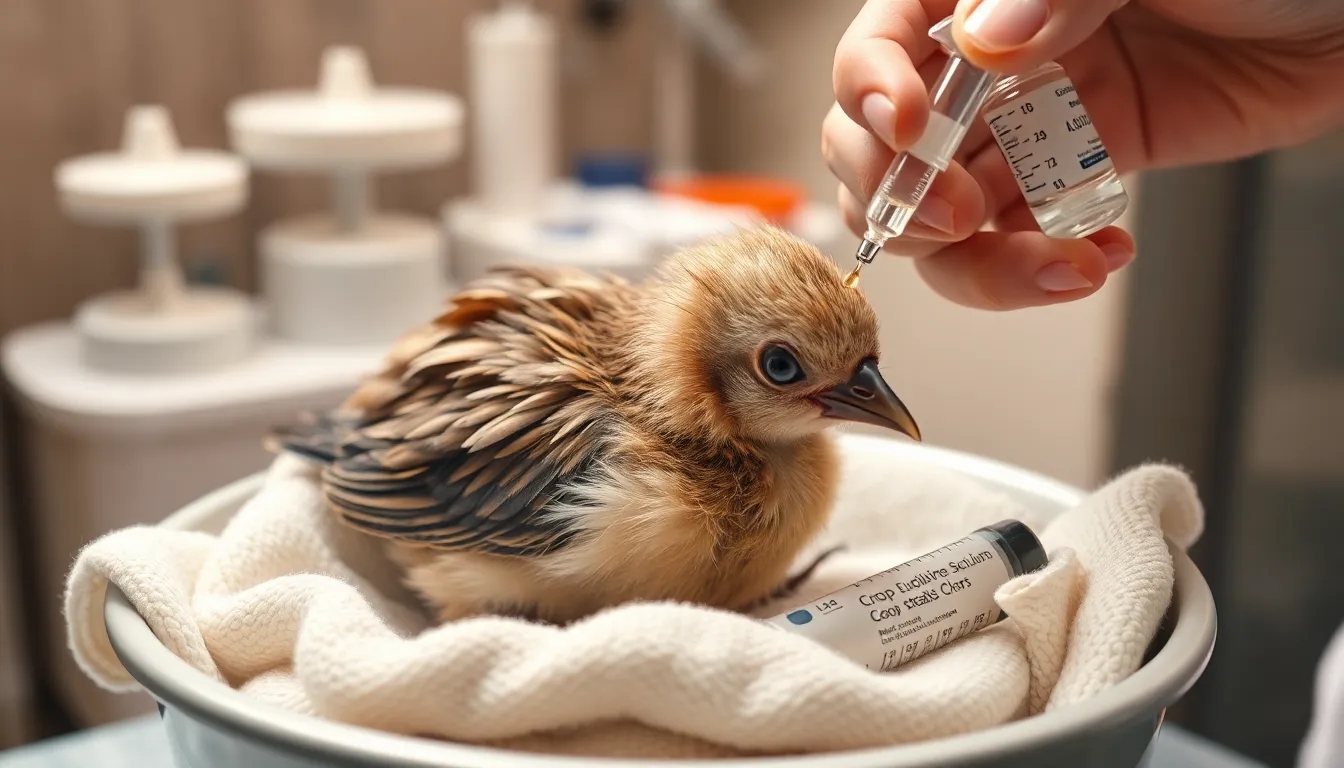
Proper technique protects the bird from aspiration and ensures efficient feeding. When hand feeding baby birds, position them upright, supporting the head gently. Use a small feeding syringe or specialized spoon, allowing the bird to swallow between doses rather than forcing food down rapidly.

Safe Hand Feeding Baby Birds Process

Begin by presenting the feeding tool slowly to the bird’s mouth. Watch for the swallow reflex before dispensing more formula. According to Altar Ranch Pet’s baby bird feeding guide, avoiding aspiration requires vigilant observation and patience. Never tilt the bird’s head backward or force the syringe deeper than the throat opening.

Feeding Schedule by Age and Species

Age determines feeding frequency dramatically. Newly hatched nestlings need feeding every 2-3 hours around the clock, while older birds gradually transition to fewer, larger meals. Understanding the right schedule for hand feeding baby birds prevents both malnutrition and overfeeding.

Age-Based Hand Feeding Frequency

Days 1-7: Every 2-3 hours including overnight feedings. Days 8-14: Every 3-4 hours. Weeks 3-4: Every 4-6 hours. Harrison’s Bird Foods juvenile feeding chart provides visual references for portion sizes by weight. Consistency matters when hand feeding baby birds, so establish a regular schedule and document each feeding.

Did You Know?

Studies show that improper hand feeding baby birds causes crop problems in up to 15% of hand-raised birds. Proper temperature and portion control significantly reduce these complications.

Monitoring Crop Health and Avoiding Common Mistakes

The crop is your primary indicator of proper nutrition and feeding success. This food storage pouch should feel soft and full after feeding but empty by the next meal. When hand feeding baby birds, always examine the crop for signs of impaction, sour crop (bacterial overgrowth), or aspiration.

Recognizing Crop Problems

A full, warm crop indicates successful feeding. A hard or distended crop suggests overfeeding or impaction. Sour smell indicates bacterial problems. Research on hand feeding shows common mistakes include using incorrect formula temperature, feeding too quickly, and ignoring crop fullness cues. Monitor daily for these issues when hand feeding baby birds.

Hand Feeding Baby Birds Checklist

  • Verify formula temperature is 104-107 degrees Fahrenheit before each feeding
  • Check crop status before and after feeding for consistency and fullness
  • Use clean feeding tools and fresh formula for every session
  • Keep detailed records of feeding times and amounts consumed
  • Watch for behavioral changes indicating digestive distress or dehydration

Weaning Process and Transition to Adult Diet

Weaning baby birds represents the transition from complete dependence on hand feeding to independent eating. This gradual process typically spans 2-3 weeks and requires patience. Hand feeding baby birds during weaning means slowly reducing portions while encouraging self-feeding behaviors.

Weaning Baby Birds Successfully

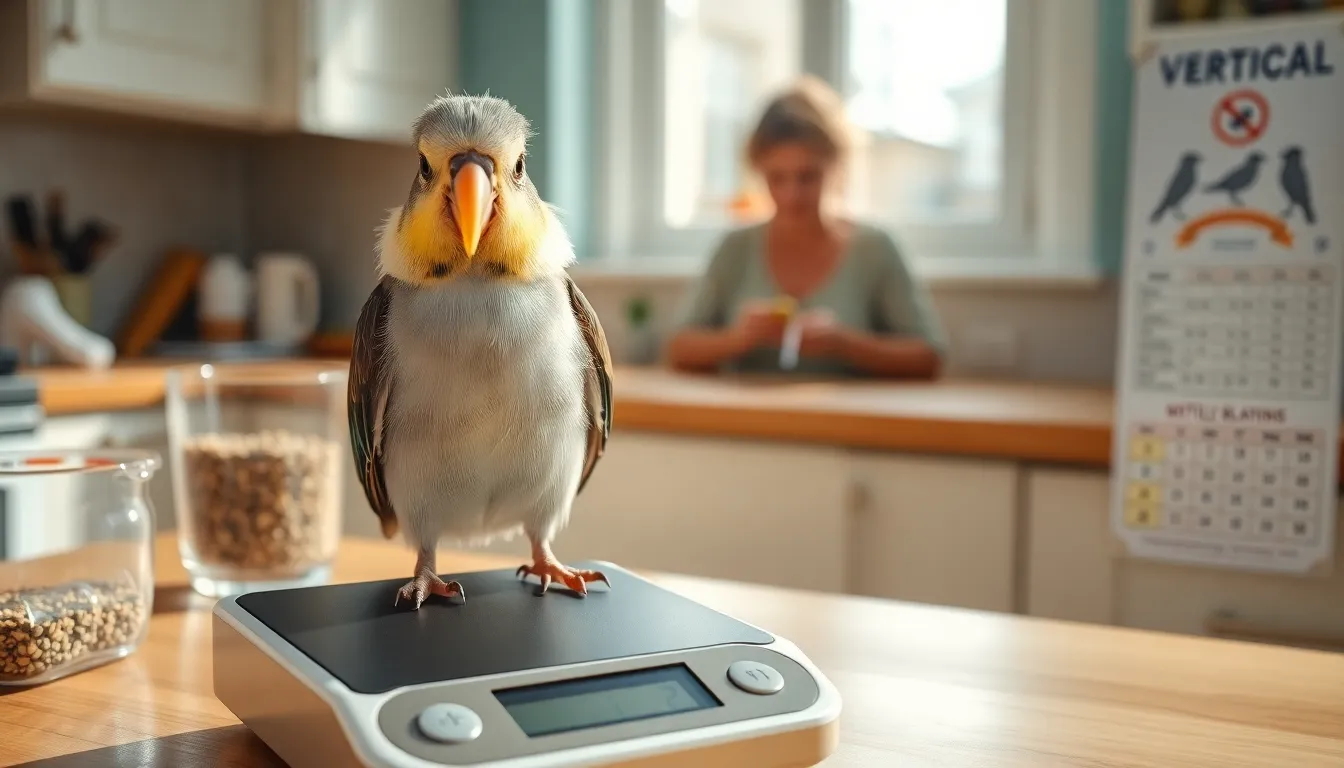
Start introducing moistened pellets and soft foods around week 4-6 depending on species. Place small amounts in shallow dishes alongside the bird during hand feeding sessions. Everything Birds Online’s comprehensive weaning guide recommends gradually replacing one hand feeding with self-feeding opportunities daily. Monitor weight closely, as some hand feeding baby birds initially eat less during transition periods.

Did You Know?

According to CK Pets World’s complete guide, successful weaning increases independence and reduces behavioral issues in adult birds raised through hand feeding.

Quick Takeaways

  • Hand feeding baby birds requires commercial formula, never household foods or shortcuts
  • Temperature precision and feeding frequency prevent most serious complications
  • Crop monitoring is your most important tool for preventing overfeeding damage
  • Gradual weaning starting at 4-6 weeks produces confident, independent birds
  • Documentation helps identify patterns and prevents mistakes across multiple feeding sessions

Hand feeding baby birds transforms a challenging situation into a successful outcome when approached systematically. From formula selection through weaning, each step matters for developing healthy, thriving birds. By following proven techniques, monitoring crop health, and maintaining proper schedules, you give young birds the best chance at survival and normal development. Start with quality commercial formulas, maintain strict temperature control, and watch for warning signs of problems. Your dedication during these critical weeks determines whether birds become fully independent and behaviorally well-adjusted adults.

Frequently Asked Questions

What do you feed a baby bird that fell out of a nest?

For a nestling, use a commercial hand feeding formula like Kaytee Exact or Harrison’s. If the bird is a fledgling with feathers, try to reunite it with parents first. Hand feeding baby birds requires proper formula, not bread or insects without expert guidance.

How often should you hand feed baby birds?

Frequency depends on age. Nestlings require feeding every 2-3 hours, including overnight, while older birds may need 3-4 daily feedings. When hand feeding baby birds, follow species-specific schedules to ensure proper nutrition and growth.

What is the best hand feeding formula for baby birds?

According to Kaytee’s guidelines, formulas like Kaytee Exact and Harrison’s Adult Lifetime provide balanced nutrition. The best hand feeding formula for baby birds should match your species and life stage for optimal health outcomes.

How do you know when a baby bird is full?

The crop, a pouch in the throat, becomes full and rounded when satisfied. Stop hand feeding baby birds once the crop is visibly swollen and firm to gentle touch, typically after 10-15 minutes of feeding.

What temperature should baby bird formula be?

Formula temperature should be 104-107 degrees Fahrenheit (40-42 Celsius) for optimal digestion. When hand feeding baby birds, always test temperature with a thermometer to prevent crop damage from overheated formula.

Can you overfeed a baby bird?

Yes, overfeeding can cause crop impaction, aspiration, and serious digestive issues. When hand feeding baby birds, follow portion guidelines based on age and weight to prevent health complications.

How to transition baby birds to solid food?

Start introducing soft foods like moistened pellets at 4-6 weeks depending on species. Weaning baby birds is gradual, reducing hand feeding portions while offering more self-feeding opportunities over 2-3 weeks.

What tools are best for hand feeding baby birds?

Small feeding syringes, spoons, or specialized feeding needles work best for hand feeding baby birds. Choose tools appropriate for your bird’s size and mouth structure to ensure safe, efficient feeding.

How to prepare hand feeding formula for baby birds?

Mix powdered formula with warm water according to package directions, aiming for oatmeal consistency. When preparing hand feeding formula for baby birds, use filtered water and clean mixing tools to prevent contamination.

Signs of dehydration in baby birds?

Sunken eyes, dry skin, and weakness indicate dehydration. When hand feeding baby birds, monitor hydration by ensuring formula contains adequate moisture and watch for lethargy or reduced activity levels.