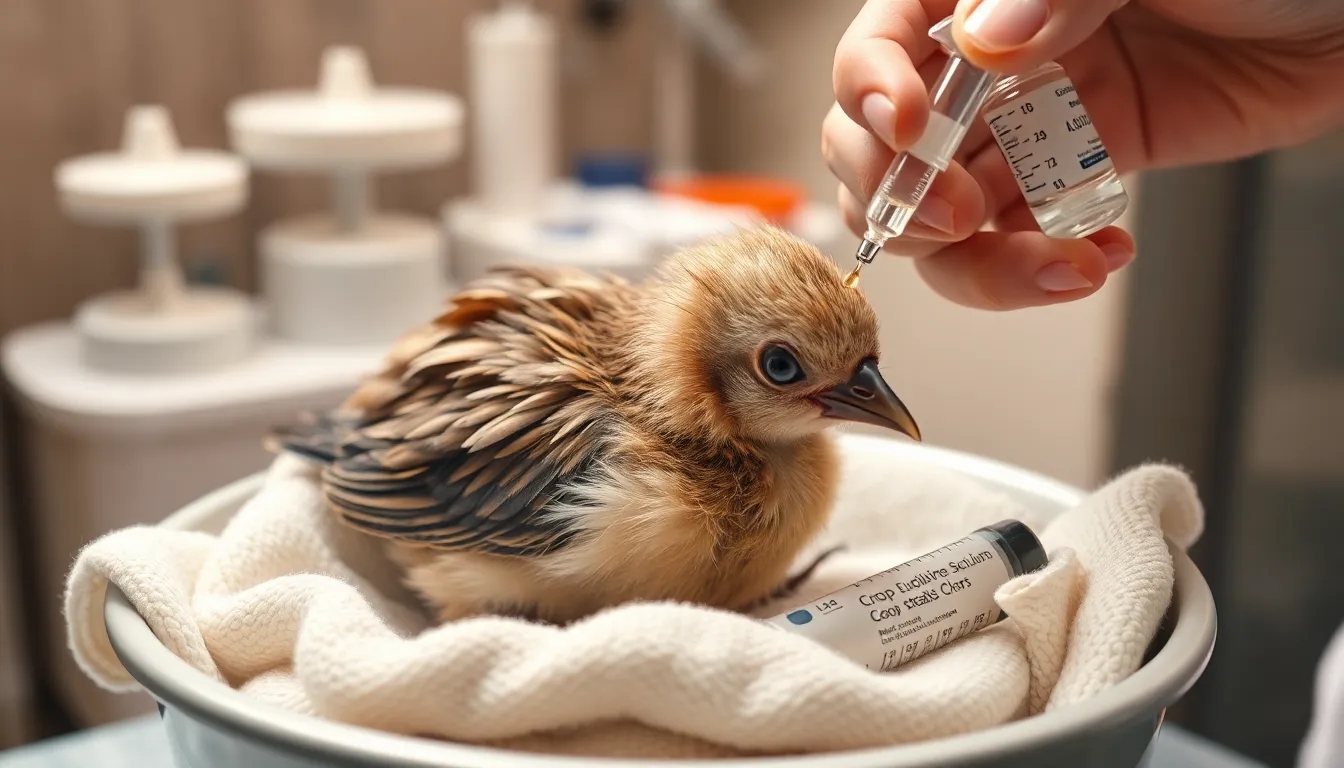
Pet birds require specialized care, and diet plays a critical role in their health and survival. According to veterinary associations, toxic food exposure remains one of the leading preventable causes of avian emergencies. While humans enjoy a wide variety of foods safely, birds have dramatically different digestive systems and metabolic pathways. Certain foods that seem innocent – even nutritious for us – can be lethal to our feathered companions. Understanding which foods to avoid is one of the most important responsibilities of bird ownership. This guide covers 15 toxic foods your bird should never eat, the specific dangers each poses, and how to recognize poisoning symptoms before it’s too late.
TL;DR – Key Takeaways
- 15 common foods can seriously harm or kill pet birds through various toxins
- Chocolate, avocado, salt, and caffeine top the danger list for immediate poisoning
- Seek emergency veterinary care within hours of suspected toxic food ingestion
- Bird size matters – smaller species need stricter dietary restrictions than larger ones
- Prevention through proper storage and family education saves bird lives
- Recognize warning signs: lethargy, loss of appetite, tremors, and behavioral changes
The Most Dangerous Foods: Immediate Toxins
Chocolate and Caffeine: A Deadly Combination
Chocolate contains theobromine and caffeine – both extremely toxic to birds. Research shows that birds metabolize these compounds much more slowly than mammals, allowing toxins to accumulate to dangerous levels. Even a small piece of dark chocolate can cause seizures, heart arrhythmias, and death in a small parrot. A cockatiel weighing just 100 grams can suffer serious effects from as little as one ounce of dark chocolate. The darker the chocolate, the more dangerous it becomes – white chocolate poses minimal risk, but still isn’t safe. Coffee, tea, energy drinks, and cola are equally problematic. Keep all chocolate products, coffee grounds, and caffeine-containing beverages completely away from your bird’s environment.
Avocado: The Persin Problem
Avocado contains persin, a fungicidal toxin that damages bird hearts and respiratory systems. All parts of the avocado are dangerous – the flesh, seed, and leaves. Symptoms appear within 30 minutes to a few hours and include breathing difficulty, chest pain, and sudden collapse. Unfortunately, some bird owners think they’re providing a healthy treat with avocado, not realizing the serious risk. This toxin affects birds at lower doses than it affects mammals, making birds particularly vulnerable. Simply handling an avocado then touching your bird can transfer enough residue to cause harm. Remove avocado from your kitchen entirely if you keep birds, or handle it with dedicated gloves and thorough hand washing before bird contact.
Salt, Sugar, and Seasonings: Hidden Killers
Excessive Salt: Electrolyte Imbalance
Birds cannot regulate salt intake the way humans do, making them extremely sensitive to sodium. Veterinary sources indicate that high salt consumption leads to kidney damage, excessive thirst, and organ failure in birds. Salty snacks like potato chips, pretzels, nuts with salt, and processed meats are dangerous even in small quantities. A single salted cracker can contain more sodium than a small bird needs in an entire day. Symptoms of salt poisoning include increased drinking, leg swelling, and neurological problems. Birds also lose sodium through their kidneys, so they require virtually no added salt. Stick to unsalted, unseasoned foods and avoid all table scraps entirely.
Sugar and High-Fructose Foods
Excess sugar causes obesity, diabetes, and liver disease in birds over time. Many bird owners unknowingly poison their pets by offering fruit juice, candy, sweetened cereals, and honey. While small amounts of natural fruit sugars are acceptable, processed sweets have no place in a bird’s diet. Honey specifically poses an additional risk – it can contain bacteria harmful to birds. Birds fed sugary diets become obese, lethargic, and develop fatty liver disease. The condition often goes undetected until significant organ damage has occurred.
Did You Know?
Studies on avian nutrition show that pet birds eating human diets have a 60% higher mortality rate than those eating species-appropriate pellet-based diets. This sobering statistic reflects how dramatically different bird nutritional needs are from ours.
Toxic Plants and Foods: Nature’s Poisons
Avian-Toxic Plants in Kitchen Foods
Certain vegetables and fruits contain compounds dangerous for birds. Onions and garlic, whether raw or cooked, contain sulfoxides that damage red blood cells and cause hemolytic anemia. Symptoms include lethargy, pale coloring, and breathing difficulty. Veterinary toxicology research confirms that even small amounts of onion can trigger anemia in birds. Rhubarb leaves contain oxalates that bind calcium and cause metabolic bone disease. The stems are safer but still shouldn’t be offered. Apple seeds contain cyanogenic glycosides that release cyanide when digested. While one seed rarely causes immediate problems, regular exposure accumulates toxins. Remove apple seeds before offering apple flesh occasionally as a treat.
Mushrooms and Mold: Mycotoxin Dangers
Many mushrooms contain mycotoxins that are particularly dangerous to birds. Store-bought mushrooms are generally safe, but wild mushrooms can be fatal. Moldy foods – including moldy nuts, seeds, or grains – contain aflatoxins and other mycotoxins that cause liver damage and cancer. Never offer your bird any food you suspect might contain mold, including the “good” parts of partially moldy items. The toxins spread throughout the food. Keep bird food sealed in airtight containers and check expiration dates carefully.
Bird Safety Food Checklist
- Review your bird’s current diet with an avian veterinarian to identify any toxic foods
- Create a written list of safe and unsafe foods, posting it on your refrigerator
- Check all human snacks before eating near your bird to prevent accidental sharing
- Store toxic foods in high cabinets or separate containers labeled for safety
- Educate all family members and visitors about foods birds cannot eat
- Perform a kitchen toxin audit – remove chocolate, avocado, and salt-heavy items
- Keep your avian veterinarian’s emergency contact number readily available
Additional Dangerous Foods: The Complete List
Fatty Foods, Alcohol, and Dairy
High-fat foods like butter, oils, and fatty meats cause pancreatitis and obesity in birds. Their digestive systems cannot process large amounts of fat efficiently. Alcohol, even in tiny quantities, causes neurological damage and respiratory depression. A single drop of beer or wine can poison a small bird. Dairy products contain lactose, which birds cannot digest – they lack lactase enzyme. Cheese, milk, and yogurt cause digestive upset and nutrient malabsorption.
Nuts, Seeds, and Beans: Specific Dangers
While many nuts and seeds are nutritious, some carry specific risks. Macadamia nuts contain unknown toxins causing tremors and paralysis. Dried beans contain lectins that must be cooked to break down – raw or undercooked beans cause serious digestive problems. Peanuts frequently contain aflatoxins from mold contamination. The FDA has documented numerous cases of aflatoxin contamination in peanuts and peanut products. Always purchase nuts and seeds from reputable sources and store them properly. When offering beans to birds, ensure they’re thoroughly cooked first.
Salt-Cured and Processed Foods
Bacon, ham, sausage, pepperoni, and other processed meats contain dangerous salt and nitrate levels. These foods are created for human taste preferences and nutritional needs – not bird safety. A single piece of bacon can contain a day’s worth of sodium for a small bird. Avoid all table scraps from human meals, as they’re typically seasoned and processed. Stick to fresh, unseasoned options when offering treats.
Did You Know?
Veterinary Information Network records show that dietary toxicity accounts for approximately 15-20% of all bird emergency clinic visits. Most of these cases are completely preventable through proper education and food management.
Recognizing Poisoning and Emergency Response
Acute Poisoning Symptoms
Birds can show poisoning symptoms within minutes to several hours of toxic food ingestion. Watch for sudden behavioral changes – lethargy, unusual aggression, or loss of interest in favorite activities. Difficulty breathing, open-mouth breathing, or wheezing indicate respiratory distress. Tremors, seizures, loss of balance, or inability to perch properly signal neurological involvement. Vomiting, regurgitation, or abnormal droppings (discolored, watery, or increased frequency) suggest digestive system damage. Dilated pupils, head tilting, or eye discharge sometimes appear with certain toxins.
When to Seek Emergency Care
Contact an avian veterinarian or emergency animal hospital immediately if you suspect toxic food ingestion. Don’t wait for symptoms to develop – early intervention saves lives. Bring the food item or packaging with you to help the veterinarian identify the specific toxin. Describe exactly what your bird ate and when. Be prepared to pay for emergency services, which can be expensive but are necessary. Animal emergency professionals emphasize that the first few hours after poisoning are critical for successful treatment. Time lost waiting for office hours can mean the difference between recovery and death. Have a plan before an emergency happens – identify an emergency clinic and save their number now.
Quick Takeaways
- Never feed your bird chocolate, avocado, salt, caffeine, or alcohol – these cause rapid, severe poisoning
- Onions, garlic, and apple seeds damage bird cells and should be completely avoided
- Even tiny amounts of toxic foods can kill small birds – size matters when calculating risk
- Educate all family members and guests about which 15 foods are absolutely off-limits
- Store potentially toxic foods in sealed containers away from your bird’s area
- Know the symptoms of poisoning and have an emergency vet’s number immediately available
- Contact a veterinarian within hours of suspected poisoning – waiting is dangerous
Conclusion
Protecting your bird from toxic foods is one of the most straightforward ways to extend its life and ensure good health. The 15 foods covered here represent the most common and dangerous threats in typical households. While it might seem restrictive, birds thrive on species-appropriate diets featuring high-quality pellets, fresh vegetables like leafy greens and carrots, and occasional fruits. The list of what birds can eat is actually quite extensive – it just requires learning what’s safe. Most avian emergencies related to toxic foods are completely preventable. Your bird depends entirely on you for food choices and household safety. Take these dangers seriously, educate your family, and create a safe eating environment. If you suspect your bird has consumed anything toxic, don’t hesitate to contact an avian veterinarian immediately. Your quick action could save your bird’s life.