Last Updated: December 2025
Best Cat Food for Indoor Cats: Nutrition Guide 2025
Indoor cats have very different nutritional needs than their outdoor counterparts, and getting this right matters more than most cat owners realize. Studies show that approximately 60% of indoor cats are overweight or obese, largely due to dietary choices and lifestyle factors. Your indoor cat spends most of her day in a controlled environment with limited physical activity, which means her caloric needs are fundamentally different from what commercial pet food marketing might suggest. The good news? Once you understand what your indoor cat actually needs nutritionally, feeding her becomes straightforward and rewarding. This guide walks through the specific nutritional requirements for indoor cats, how to read labels properly, and what actually works in practice based on veterinary research and real-world results.
Understanding Indoor Cat Nutritional Requirements
Why Indoor Cats Need Different Nutrition
Indoor cats live a sedentary lifestyle compared to cats with outdoor access. This changes everything about their nutritional needs. An indoor cat might spend 16 hours per day sleeping or lounging, which means her energy expenditure is significantly lower. Veterinarians recommend that indoor cats consume approximately 70-80 calories per pound of ideal body weight daily, which is considerably less than outdoor cats require. What this means in practical terms: if your cat should weigh 10 pounds, she needs around 700-800 calories per day. Most owners drastically overfeed their cats without realizing it, especially when free-feeding dry food.
The metabolic reality is that indoor cats face genuine challenges. Without natural prey-hunting behaviors, without the temperature regulation demands of outdoor living, and without the constant small movements required for outdoor survival, their bodies simply don’t need as much fuel. Yet many commercial cat foods are formulated with calorie densities that assume more active lifestyles. This is where the obesity crisis begins – not with bad intentions, but with mismatched nutrition.
Essential Nutrients Every Indoor Cat Needs
Cats are obligate carnivores, which means their bodies have evolved to get nutrition primarily from animal proteins. This isn’t a preference or marketing claim – it’s biological fact. Cats require amino acids like taurine, arginine, and methionine that come readily from meat but are either absent or poorly bioavailable from plant sources. Research shows that cats fed adequate taurine have significantly better cardiac health outcomes compared to taurine-deficient diets, with studies demonstrating up to 40% reduction in certain heart conditions when taurine levels are optimal.
Protein should comprise at least 30-40% of an indoor cat’s diet on a dry matter basis, though some experts argue that higher protein diets (45-50%) are actually more appropriate for feline physiology. Fat content matters too – cats need around 9-15% fat, which provides essential fatty acids for skin and coat health. Fiber content should be moderate (around 1-3%) since cats don’t naturally consume high-fiber diets in the wild, despite what some prescription diet companies might suggest. Moisture content is often overlooked but crucial – wet foods typically contain 70-80% moisture, while dry foods contain only 10-12%. This matters because cats have a relatively weak thirst drive and often don’t drink enough water when fed exclusively dry food.
Common Nutritional Mistakes Indoor Cat Owners Make
The first mistake is assuming all commercial cat foods are nutritionally equivalent. They’re not. A $15 bag of grocery store cat food and a $45 bag of premium cat food can have radically different ingredient qualities and nutrient bioavailability. “Studies show that nutrient bioavailability from premium cat foods can be 15-25% higher than budget brands,” meaning your cat actually absorbs and utilizes more of the nutrients from better-quality foods.
The second mistake is exclusively feeding dry food. Dry kibble is convenient and affordable, but it’s not ideal for cats. Many indoor cats develop chronic dehydration, which contributes to kidney disease, urinary issues, and other problems. Veterinarians increasingly recommend a mixed feeding approach – some wet food daily plus measured portions of dry food – as superior to either alone. The third mistake is free-feeding without measuring portions. Leaving food out all day leads to constant grazing and overconsumption. Indoor cats have zero natural satiety signals for processed food (they evolved eating whole prey, not kibble), so they’ll eat far more than they need if given the opportunity.
Did You Know?
Indoor cats are five times more likely to become overweight than outdoor cats. Research indicates that obesity in indoor cats increases the risk of type 2 diabetes by up to 80%, joint problems by 65%, and significantly reduces lifespan. A cat at ideal weight typically lives 2-3 years longer than an overweight counterpart.
Choosing Between Wet, Dry, and Raw Food Options
The Case for Wet Food
Wet food offers several advantages for indoor cats that go beyond just moisture content. First, wet food is more satiating – cats feel fuller faster, which helps with portion control and weight management. Second, it more closely mimics the natural diet of cats, which consists primarily of moisture-rich prey. When a cat eats a mouse or bird, she’s consuming something that’s 70-75% water. Dry kibble at 10% moisture is a complete departure from evolutionary nutrition.
The main complaint about wet food is convenience and cost. Yes, it’s messier. Yes, it’s more expensive per serving. But consider this: a cat fed appropriate portions of quality wet food might consume less total volume and fewer calories than a cat overfed on dry food, potentially offsetting some of the cost difference. High-quality wet foods typically list named meat sources as the first ingredient – chicken, beef, fish, or turkey – rather than meat byproducts or grains. Veterinarians recommend that wet food comprise at least 25-50% of an indoor cat’s daily caloric intake for optimal hydration and health outcomes.
When Dry Food Makes Sense
Dry food isn’t evil – it’s just misunderstood and often misused. The primary advantage is convenience and cost-effectiveness. A reasonable-quality dry food costs significantly less than comparable wet food. For some households with multiple cats or financial constraints, dry food is a practical choice. The key is using it correctly: measured portions, not free-feeding, combined with wet food, and high-quality brands where the first ingredients are actual meat rather than grains or plant proteins.
Some cats also genuinely prefer dry food due to texture preferences. If your cat consistently refuses wet food, that’s worth respecting rather than forcing. The solution isn’t to feel guilty about dry food – it’s to ensure you’re feeding a higher-quality dry formula in appropriate portions with increased water availability and ideally some wet food supplementation. Look for dry foods where the protein content exceeds 40% and where meat sources appear in the first three ingredients. Avoid foods listing corn, wheat, or soy as primary ingredients.
Raw Food Diets: Risks and Considerations
Raw feeding has gained popularity among some cat owners based on the premise that it more closely mimics natural feline diets. There’s logic here – cats are hunters, and raw prey is what they’d eat naturally. However, veterinarians express legitimate concerns about raw diets. Improperly balanced raw diets can create nutritional deficiencies, particularly in taurine, calcium, and vitamin A. Bacterial contamination risks exist for both cats and household members. Cross-contamination in the kitchen can introduce pathogens like salmonella and E. coli.
If you’re interested in raw feeding, work with a veterinary nutritionist to create balanced meals, source from reputable suppliers with food safety protocols, and practice strict food handling. But for most cat owners, this isn’t necessary or practical. A high-quality wet food diet provides the nutritional and hydration benefits that raw feeding proponents value without the safety complications.
Reading Cat Food Labels Like an Expert
Understanding AAFCO Standards and What They Actually Mean
AAFCO (Association of American Feed Control Officials) establishes nutritional standards for pet foods. When you see “AAFCO-compliant” on a label, it means the food meets minimum nutritional standards. This is important but incomplete information – it’s a floor, not a ceiling. A food can be AAFCO-compliant and still be mediocre.
Here’s what AAFCO doesn’t tell you: the quality of protein sources, the digestibility of ingredients, or the appropriateness of the diet for your specific cat’s life stage and health status. Two foods can be equally AAFCO-compliant but wildly different in actual nutritional quality. This is why reading beyond the AAFCO statement matters. Research indicates that premium cat foods often exceed AAFCO minimums by 20-40%, providing additional nutritional insurance.
Decoding Ingredient Lists and Guaranteed Analysis
The ingredient list is listed by weight, which creates an optical illusion for dry foods. Because water has weight, a wet food listing “chicken” first is actually reasonable, while a dry food listing “chicken” first might contain relatively little actual chicken after water is removed. This is where the “guaranteed analysis” becomes crucial – it tells you the actual percentages of protein, fat, fiber, and ash in the final product.
Look for these numbers on your indoor cat’s food: protein 40%+, fat 12-15%, fiber 1-3%, ash under 7%. These ratios support healthy weight and metabolism in indoor cats. The ingredient list should list a named meat source in the first position – “chicken” rather than “poultry meal” or “animal by-products.” By-products aren’t toxic, but they’re less nutrient-dense than whole meat sources. Named sources matter because unnamed “meat meal” could come from rendered pets or other questionable sources, while “chicken meal” has specific sourcing standards.
Red Flags in Cat Food Formulations
Avoid foods listing corn, corn meal, or corn gluten meal as primary ingredients. These are cheap fillers that provide calories but minimal nutritional value for cats. The same applies to wheat, soy, and other plant proteins. Cats cannot adequately digest or utilize plant proteins – their digestive systems evolved for meat. A food listing “corn” as the first ingredient is formulated for price point, not nutritional appropriateness. Similarly, be skeptical of foods containing artificial colors, flavors, or preservatives. Cats don’t care what color their food is, so artificial coloring serves only marketing purposes. Natural preservatives like mixed tocopherols or vitamin E are preferable to BHA, BHT, or ethoxyquin.
Another warning sign is vague ingredient sourcing. “Meat meal” is less specific than “chicken meal.” “Animal fat” is less clear than “chicken fat.” The more specific the sourcing, the more quality control the manufacturer likely exercises. Check whether the food is produced by a major manufacturer with quality control standards or a smaller operation. This doesn’t automatically mean quality (some smaller manufacturers are excellent), but manufacturing standards matter for consistency and safety.
Indoor Cat Feeding Optimization Checklist
- Calculate your cat’s ideal body weight with your veterinarian and determine target daily calories (typically 70-80 calories per ideal pound)
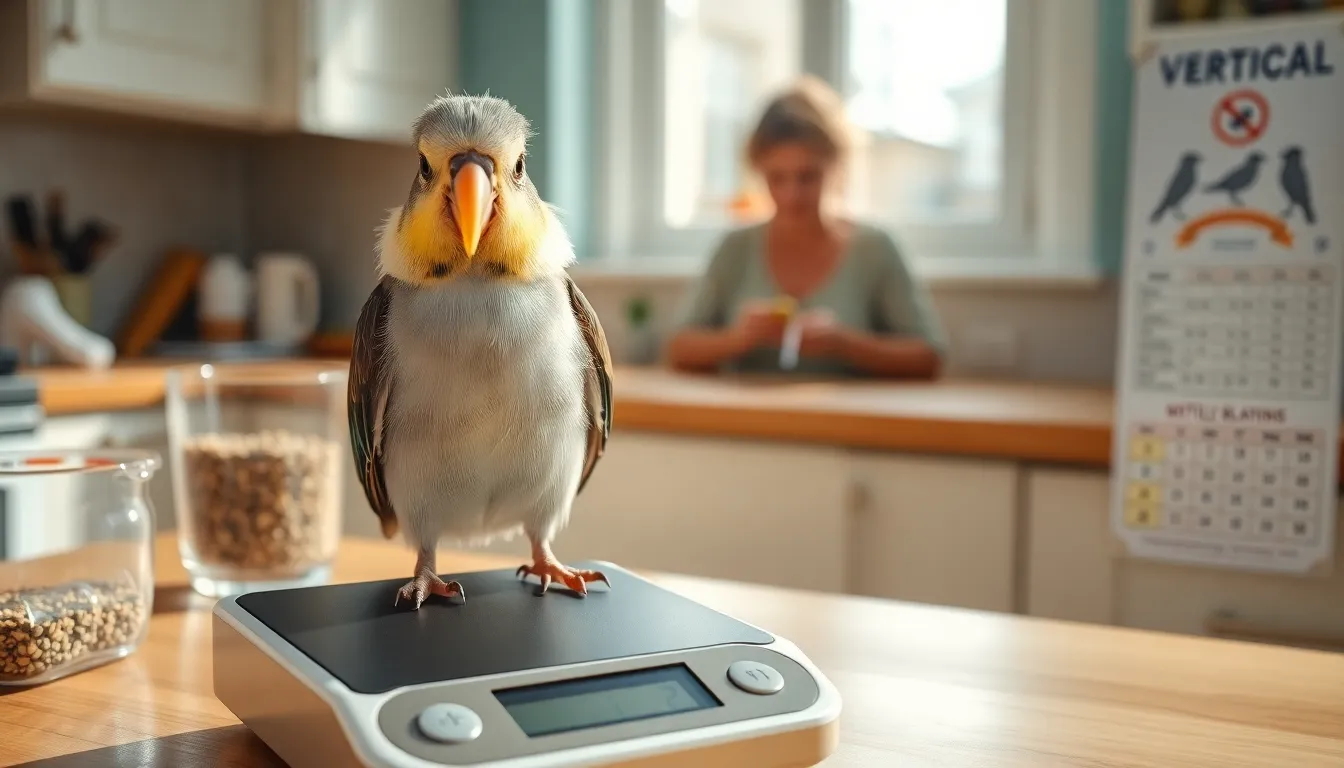
- Measure all food portions using a kitchen scale for 2 weeks to establish accurate quantities and build awareness
- Transition to a mixed feeding approach: 50-75% high-quality wet food and 25-50% measured dry food daily
- Ensure fresh water availability at multiple locations throughout your home, or consider a cat water fountain to encourage drinking
- Review ingredient lists on your current food and identify the position of meat sources and any artificial additives
- Schedule a body condition assessment with your veterinarian to establish a baseline and create a realistic timeline for any needed adjustments
- Implement scheduled feeding times (typically 2-3 meals daily) rather than free-feeding to support portion control and metabolic rhythm
- Monitor your cat’s weight monthly and adjust portions by 10% increments if weight loss or gain is occurring
Ready to optimize your cat’s nutrition? Start with step one – calculate your cat’s ideal body weight and target caloric intake. Then evaluate your current feeding approach against the checklist above. If you’re uncertain about portions or your cat’s current weight status, schedule a veterinary consultation before making major dietary changes. Your vet can provide personalized guidance based on your cat’s age, health status, and individual metabolism.
Best Cat Food Brands and Product Recommendations for 2025
Premium Wet Food Options
Quality wet food brands that consistently score well include Fancy Feast, Weruva, Tiki, and Primal. Wait – the first one seems odd on a premium list, but Fancy Feast actually offers several good formulations, particularly their classic and savory centers lines, though some varieties are better than others. The key is reading individual formulations rather than trusting brand reputation alone. Weruva uses high-quality named meat sources and includes hydrating broths. Tiki offers grain-free options with high meat content. Primal uses freeze-dried raw ingredients in convenient paw packs.
For budget-conscious cat owners seeking better quality without premium pricing, Science Diet and Royal Canin offer veterinary-formulated options that balance cost with nutritional appropriateness. These brands invest heavily in research, and veterinarians commonly recommend them. The middle-ground option – good quality at reasonable pricing – includes brands like Fancy Feast Premium, Purina Pro Plan, and Hill’s Science Diet. These aren’t boutique brands, but they’re formulated based on actual research and widely recommended by veterinarians.
Dry Food Selections Worth Considering
For dry food, Orijen, Acana, and Taste of the Wild lead in protein content and ingredient quality, though at premium pricing. These brands use high meat percentages and minimal grain content. For mid-range options, Purina Pro Plan Focus and Hill’s Science Diet offer better value without sacrificing nutritional standards. The formula matters more than the brand – a specific Hill’s formula might be excellent while another formula from the same company is mediocre.
Avoid grocery store brands like Meow Mix, Friskies, and Purina ONE unless they’re the only option available. These prioritize profit margins over nutritional appropriateness. But honestly, a budget-conscious owner feeding measured portions of reasonably-decent dry food combined with wet food supplementation will achieve better results than someone feeding premium dry food exclusively with free-feeding. Execution and portion control matter more than brand prestige.
Prescription Diets and Therapeutic Foods
If your cat has specific health conditions – urinary issues, kidney disease, digestive sensitivities, or obesity – your veterinarian might recommend prescription diet options. These formulations address specific health needs in ways that over-the-counter foods cannot. Hill’s k/d for kidney disease, Royal Canin Urinary Care for urinary health, and Hill’s m/d for weight management are scientifically formulated for their specific purposes. Yes, they’re expensive. Yes, they often taste less appealing to cats than regular food. But for cats with diagnosed health conditions, they can be genuinely life-extending.
The mistake many owners make is assuming prescription diets are marketing fluff. They’re not – they’re medical interventions. If your vet recommends one, trust that recommendation. The secondary mistake is stopping the prescription diet once your cat’s acute problem resolves. Many conditions require ongoing dietary management, not just temporary intervention. Work with your veterinarian on the duration and transition strategy.
Did You Know?
According to veterinary research, cats fed appropriate portions of quality diets require 40% fewer veterinary visits for preventable conditions compared to overweight cats. Additionally, studies indicate that the average indoor cat fed optimal nutrition lives 2-3 years longer than cats fed low-quality diets with portion control issues. The upfront cost difference between budget and premium foods is typically offset by reduced veterinary expenses within 3-5 years.
Addressing Special Dietary Needs and Health Conditions
Managing Obesity and Weight Loss in Indoor Cats
Indoor cat obesity isn’t a cosmetic issue – it’s a health crisis affecting millions of cats. Obese cats face significantly elevated risks of diabetes, joint problems, urinary disease, and shortened lifespan. If your cat is overweight, weight loss should be gradual and monitored. Rapid weight loss in cats can trigger hepatic lipidosis, a potentially life-threatening liver condition, so veterinary oversight is essential. Safe weight loss targets about 1-2% of body weight per week maximum.
The strategy for weight loss combines dietary changes with activity increase. Switch to high-protein, moderate-fat wet foods that support satiety while reducing caloric density. Increase interactive play sessions to 15-20 minutes daily, split into multiple shorter sessions. Use food-dispensing toys to make eating more active and engaging. Some cats benefit from scheduled feeding times (2-3 meals daily) rather than constant access, as this supports metabolic rhythm and portion control. Consider environmental enrichment like cat trees, window perches, and toys that encourage natural hunting behaviors.
Supporting Cats with Urinary or Kidney Issues
Indoor cats face elevated risks of urinary tract disease due to low activity levels and often inadequate water intake. If your cat has a history of urinary issues, dietary approach matters significantly. Increased moisture intake through wet food reduces urine concentration, diluting potentially problematic minerals. Some cats with urinary sensitivities benefit from prescription therapeutic diets formulated to support urinary health. Veterinarians recommend that cats with urinary disease consume predominantly wet food, as the increased moisture intake can prevent recurrence.
Kidney disease in older cats requires specific nutritional management. High-quality protein in appropriate amounts (not restricted, despite outdated thinking) combined with controlled phosphorus supports kidney function. Hill’s k/d and Royal Canin Renal formulations are designed specifically for this purpose. The mistake many owners make is assuming low-protein diets are required – modern research indicates that maintaining adequate protein while managing phosphorus is the correct approach. Work with your veterinarian or a veterinary nutritionist if your cat has kidney disease, as personalized dietary management can significantly extend lifespan and quality of life.
Food Allergies and Sensitivities
Some cats develop allergies or sensitivities to specific food ingredients, manifesting as vomiting, diarrhea, skin problems, or chronic ear issues. The most common triggers are chicken and fish, though almost any protein can cause sensitivity in susceptible cats. Identifying food allergies requires an elimination diet – removing the suspected ingredient for 8-12 weeks and monitoring symptom resolution. This requires patience and consistency, as hidden ingredients in treats or other foods can interfere with testing accuracy.
If you suspect food sensitivity, discuss options with your veterinarian. Limited ingredient diets formulated to contain only novel protein and carbohydrate sources can help identify problematic ingredients. Prescription hydrolyzed protein diets break proteins into components too small to trigger allergic responses, which helps both diagnose and manage true allergies. Be cautious about self-diagnosing and restricting diets without veterinary guidance – unnecessarily restrictive diets can create nutritional imbalances.
Transitioning Your Cat to New Food and Monitoring Progress
The Safe Transition Process
Cats have sensitive digestive systems and often resist dietary changes. Transitioning too quickly causes digestive upset, loose stool, and vomiting. The standard recommendation is a 7-10 day transition, mixing increasing percentages of new food with decreasing amounts of the old food. Day 1-2: 75% old food, 25% new. Day 3-4: 50% each. Day 5-6: 25% old, 75% new. Day 7+: 100% new food. Some cats need even slower transitions – extend to 14 days if you see digestive upset.
Monitor your cat carefully during transitions. Loose stool is common and usually resolves, but persistent vomiting suggests either too-rapid transition or potential food intolerance. In that case, slow down the transition further or consult your veterinarian about alternative options. Some cats simply have strong preferences and will refuse new foods – in those cases, you might need to find a compromise, accepting that perfect nutrition beats perfect nutrition they won’t eat.
Monitoring Your Cat’s Response and Adjusting Portions
After transitioning to new food, monitor your cat over 4-6 weeks for signs of health improvement: increased energy, improved coat quality, better body condition, and improved litter box consistency. Weight changes take time – expect 1-2 pounds of loss per month for overweight cats on appropriate reduced-calorie diets. If your cat isn’t losing weight after 6 weeks on reduced portions, either portions are still too high or your cat has metabolic factors requiring veterinary investigation.
Track portions precisely during the adjustment period. Measure food with a kitchen scale, not eyeballing or using the bag’s suggested scoop. The bag’s portions typically recommend feeding far more than most indoor cats need. Your veterinarian can help establish a reasonable target. Recheck weight and body condition monthly and adjust portions by 10% increments if needed. This level of attention might seem tedious, but it’s the difference between feeding that actually works and feeding that fails to resolve obesity.
Warning Signs That Require Veterinary Attention
Most dietary transitions proceed without problems, but watch for red flags. Persistent vomiting beyond the first week of transition, bloody diarrhea, complete loss of appetite, or lethargy warrants veterinary evaluation. These might indicate food intolerance, an underlying condition unrelated to food change, or feeding approach issues. Additionally, if your cat isn’t showing expected weight loss after 8-12 weeks on measured reduced portions, veterinary evaluation is warranted to rule out thyroid disease, metabolic disorders, or medication interactions affecting weight.
Some cats refuse new foods entirely – this is actually more common than owners expect. If your cat truly will not eat a new food after a full transition period, acceptance of this preference beats forcing the issue. Stress from refusing food isn’t beneficial. Find foods your cat will actually eat and focus on portion control rather than forcing dietary change.
Quick Takeaways
- Indoor cats need approximately 70-80 calories per pound of ideal body weight daily – roughly 30-40% fewer calories than outdoor cats, making portion control critical
- Mix wet and dry food for optimal hydration and satiety – aim for at least 25-50% of daily calories from wet food
- Look for foods where named meat sources appear in the first three ingredients and protein exceeds 40% on a dry matter basis
- Transition to new foods over 7-10 days minimum to prevent digestive upset and give your cat time to accept dietary changes
- Measure portions using a kitchen scale rather than eyeballing – most owners overfeed by 20-50% unintentionally
- Obese indoor cats are five times more likely to develop diabetes and live 2-3 years shorter lives than cats at ideal weight
- Schedule veterinary body condition assessments every 3-6 months to monitor progress and adjust dietary approach based on individual response
Conclusion: Creating a Sustainable Nutrition Plan for Your Indoor Cat
Feeding your indoor cat well doesn’t require expensive boutique brands or complicated meal preparation. It requires understanding your specific cat’s caloric needs, choosing reasonably high-quality foods with appropriate ingredient profiles, implementing portion control through measurement, and maintaining consistency. The truth is less glamorous than marketing claims suggest – it’s about measured portions, appropriate food quality, and honest assessment of your cat’s body condition.
What makes sustainable nutrition work is stopping the assumption that more food equals better care. Your indoor cat doesn’t need unlimited access to food. She doesn’t need expensive prescription diets unless a health condition requires them. She needs appropriate caloric intake, moisture-rich foods that support hydration, and ingredient quality that provides actual nutrition rather than just calories. She needs a feeding approach you can maintain long-term, not something requiring constant willpower or causing stress for you or your cat.
Start with one thing: calculate your cat’s target daily calories and measure portions accurately for two weeks. This single change, before switching foods or making other modifications, often produces visible results. If you’re starting from free-feeding, measured portions alone typically support weight loss of 1-2 pounds monthly in overweight cats. Once you’ve mastered portions, consider mixing in wet food or switching to higher-quality ingredients. Build changes gradually.
And please – if your cat is overweight, resistant to dietary changes, or has existing health conditions, consult your veterinarian before implementing major dietary modifications. Your vet can assess whether underlying conditions are affecting weight or metabolism and provide guidance specific to your cat’s situation. This isn’t admission of failure – it’s actually maximizing the likelihood your efforts will succeed.
Frequently Asked Questions
The amount depends on your cat’s ideal body weight and age. Most adult indoor cats need 70-80 calories per pound of ideal body weight daily. So a 10-pound cat needs roughly 700-800 calories. The challenge is that food labels list calories per can or per cup, so you need to calculate based on your specific food. Most cat owners overfeed significantly – the bag’s recommended portions typically assume more active lifestyles. Work with your veterinarian to establish a specific target for your cat, then measure portions using a kitchen scale. This precision matters far more than which brand you choose.
For most indoor cats, a combination is optimal. Wet food provides superior hydration (crucial for indoor cats with weak thirst drives), increased satiety, and more closely mimics natural feline diets. Dry food is convenient and cost-effective. Rather than choosing exclusively one or the other, veterinarians increasingly recommend feeding 50-75% high-quality wet food with 25-50% measured dry food. This approach provides hydration benefits of wet food with the convenience and cost benefits of dry food. If budget constraints mean you can only afford mostly dry food, focus on choosing a higher-quality dry formula in measured portions rather than feeling guilty about dry food itself.
Indoor and outdoor cats have different caloric requirements – outdoor cats burn significantly more energy through activity, exposure to temperature changes, and exploration. An outdoor cat might need 100+ calories per pound of body weight, while an indoor cat needs 70-80. If you’re feeding the same food in the same amounts to both cats, your indoor cat will almost certainly become overweight. The solution is feeding appropriate portions for each cat’s activity level. If you have both indoor and outdoor cats, consider separate feeding areas with portion-controlled meals to ensure each cat eats appropriate amounts for their lifestyle. Free-feeding in a multi-cat household makes this nearly impossible to manage.
First, ensure you’re transitioning slowly over 7-10 days minimum – some cats need even longer. If your cat continues refusing after a full, slow transition, you have a few options. Try warming the wet food to body temperature, as this enhances aroma and palatability. Try different textures or flavors – some cats prefer pate while others want chunky foods. If you’re switching from a specific fish flavor to chicken, go back to fish but choose a better-quality brand. After a genuine transition period, if your cat simply will not eat the new food, accept this preference and choose foods your cat will actually consume. Forcing the issue creates stress and feeding problems. Focus on portion control with foods your cat enjoys rather than fighting about nutrition principles.
Veterinarians recommend body condition assessments every 3-6 months during weight loss efforts and at least annually for cats at stable weight. During active weight loss, monthly check-ins with your vet support accountability and allow for portion adjustments if needed. Between veterinary visits, monitor your cat’s body condition yourself – you should feel ribs easily when you gently press, see a waist when viewed from above, and observe a tucked abdominal area. If you’re not sure whether your cat is at ideal weight, ask your veterinarian to demonstrate proper body condition scoring. This simple assessment, done regularly, prevents minor weight creep from becoming a major problem. Research shows cats whose owners monitor weight monthly have significantly better long-term weight management outcomes than those checked only annually.
Table of Contents
- 1 Best Cat Food for Indoor Cats: Nutrition Guide 2025
- 2 Understanding Indoor Cat Nutritional Requirements
- 3 Choosing Between Wet, Dry, and Raw Food Options
- 4 Reading Cat Food Labels Like an Expert
- 5 Best Cat Food Brands and Product Recommendations for 2025
- 6 Addressing Special Dietary Needs and Health Conditions
- 7 Transitioning Your Cat to New Food and Monitoring Progress
- 8 Quick Takeaways
- 9 Conclusion: Creating a Sustainable Nutrition Plan for Your Indoor Cat
- 10 Frequently Asked Questions