Bird Losing Weight? 10 Common Causes & What to Do

Bird Losing Weight? 10 Common Causes & What to Do

Why Is My Bird Losing Weight? 10 Common Causes

Bird owners know that sudden weight loss can be terrifying. One moment your feathered friend looks vibrant and healthy, and the next, they’re looking suspiciously skinny. Weight loss in birds isn’t just a cosmetic concern – it’s often a critical signal that something’s seriously wrong with your pet’s health.

As an experienced avian caretaker, I’ve seen countless situations where weight loss was the first warning sign of underlying health issues. Birds are masters at hiding illness, which makes tracking their weight critically important. Their tiny bodies can’t sustain weight loss for long, so quick intervention is key.

In this comprehensive guide, we’ll break down the most common reasons why your bird might be losing weight, what each potential cause means, and how you can help your feathered companion get back to full health. Whether you’re caring for a tiny parakeet or a majestic macaw, understanding these weight loss triggers could quite literally save your bird’s life.

Nutritional Deficiencies: The Silent Weight Loss Culprit

Nutrition plays a massive role in bird health. Many bird owners accidentally provide diets that look complete but are actually nutritionally incomplete. Seeds alone are not enough – they’re basically the junk food of the bird world.

A proper avian diet should include a mix of pellets, fresh vegetables, occasional fruits, and protein sources. Deficiencies in key nutrients like calcium, vitamin A, and protein can cause rapid weight loss. Birds metabolize food incredibly quickly, which means their nutritional needs are constant and specific.

Common nutritional mistakes include:

  • Feeding only sunflower seeds
  • Avoiding fresh produce
  • Not providing calcium supplements
  • Inconsistent feeding schedules

Veterinarians recommend a diet that mimics what birds would eat in the wild – varied, colorful, and nutrient-dense. Think leafy greens, small amounts of fruit, high-quality pellets, and occasional protein like cooked eggs or lean meats.

Parasitic Infections: Tiny Invaders, Big Problems

Parasites are sneaky little monsters that can wreak havoc on your bird’s digestive system. Worms, mites, and other microscopic invaders can cause significant weight loss by stealing nutrients and causing inflammation.

Different types of parasites attack different systems. Intestinal worms might prevent nutrient absorption, while blood parasites can cause systemic weakness. Some birds might show additional symptoms like lethargy, ruffled feathers, or changes in droppings.

Prevention involves regular veterinary check-ups, maintaining clean living conditions, and avoiding exposure to wild birds or contaminated environments. Not all parasites are visible to the naked eye – which is why professional testing is crucial.

Did You Know?

Some bird species can lose up to 10% of their body weight before showing obvious signs of illness – making regular weight monitoring critical!

Stress and Environmental Factors: More Important Than You Think

Birds are incredibly sensitive creatures. Changes in their environment can trigger significant stress responses that manifest as weight loss. New pets, moved furniture, loud noises, or even slightly altered routines can cause serious anxiety.

Stress impacts birds physiologically – increasing metabolism, suppressing appetite, and weakening immune systems. A stressed bird might stop eating, become withdrawn, or develop compulsive behaviors like feather picking.

Creating a stable, predictable environment is key. This means consistent feeding times, quiet spaces, stable temperatures, and minimal disruptions. Some birds also need more social interaction, while others prefer less.

Hidden Health Conditions: When Weight Loss Signals Deeper Issues

Sometimes weight loss indicates serious underlying health conditions. Liver disease, kidney problems, tumors, and hormonal imbalances can all cause rapid weight reduction. These aren’t just minor issues – they’re potentially life-threatening scenarios requiring immediate veterinary attention.

Some conditions like fatty liver disease are common in pet birds, especially those fed high-fat diets. Others might involve complex metabolic disorders that require specialized testing and treatment.

Dental and Beak Problems: Eating Becomes Difficult

Most people don’t realize birds can have dental problems. Overgrown beaks, infections, or structural abnormalities can make eating painful or impossible. A bird struggling to eat will naturally lose weight, even if they’re trying to consume food.

Quick Takeaways

  • Weight loss in birds is always serious
  • Regular veterinary check-ups are crucial
  • Diet variety matters more than quantity
  • Stress can physically impact bird health
  • Watch for subtle changes in behavior

Conclusion time. Tracking your bird’s weight isn’t just about numbers – it’s about understanding their overall health. Every gram matters when you’re dealing with such small creatures. Stay observant, be proactive, and never hesitate to consult a professional when something seems off.

Frequently Asked Questions

How often should I weigh my bird?

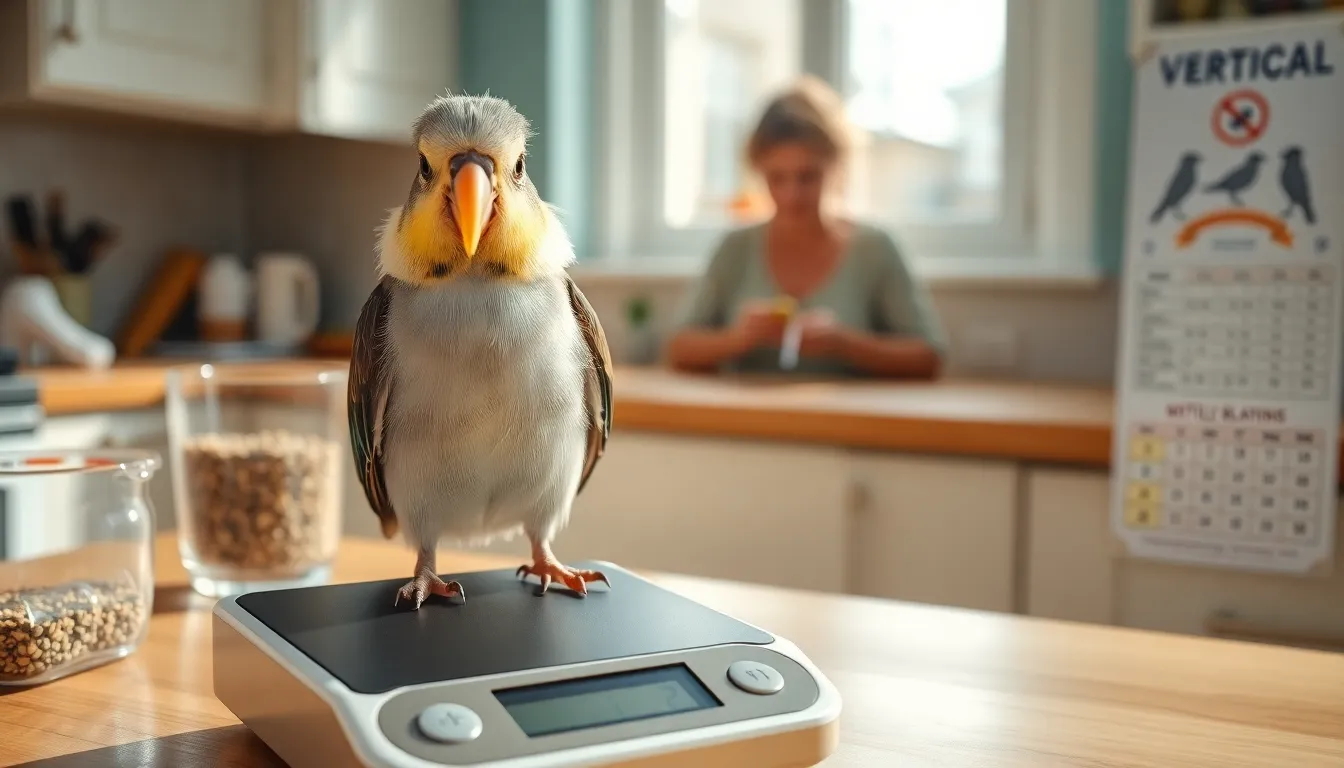
Ideally, weigh your bird weekly using a small digital scale, tracking changes consistently.

What’s considered significant weight loss in birds?

More than 10% body weight loss within a month is considered serious and requires veterinary attention.

Can stress really cause weight loss?

Absolutely. Stress can suppress appetite, increase metabolism, and weaken immune systems in birds.

How can I reduce my bird’s stress?

Maintain consistent routines, provide quiet spaces, minimize loud noises, and ensure social interaction.

What diet prevents weight loss?

A balanced diet with high-quality pellets, fresh vegetables, minimal seeds, and occasional protein sources.